
To produce quality cement for a sustainable development
A glimpse of 2019 events
Contributions to society from an essential construction material

LATEST NEWS
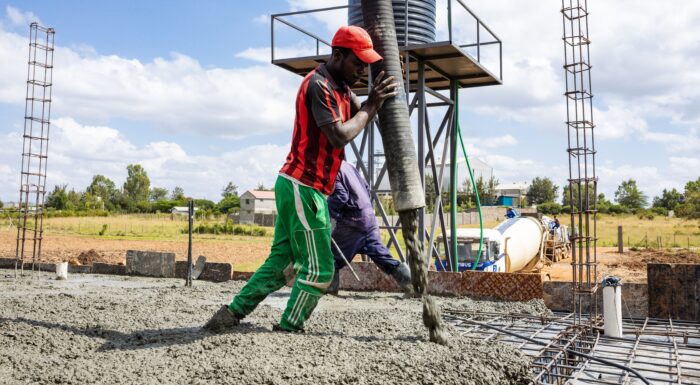
Cement consumption in Catalonia closes the first half of the year with a drop of 2.9%
Cement consumption in Catalonia in the month of June has registered a drop of 1%. With this figure, the accumulated consumption for the year decreases by 2.9%, reaching 1.1 million tons, which leads to the [...]
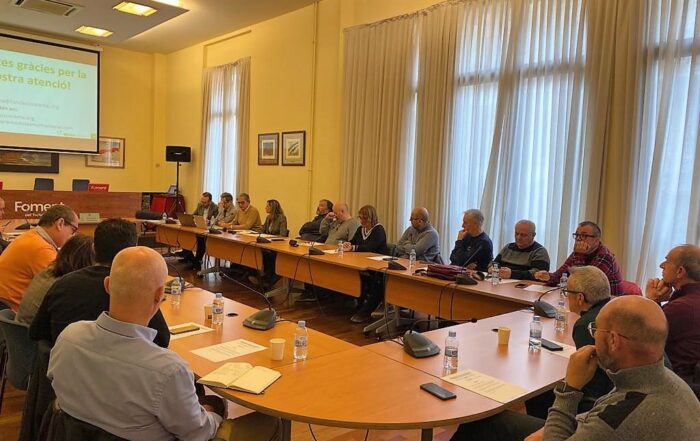
CASA Catalunya notes that the new regulations and legislation foreseen in the matter of waste raise fears of a relocation of the sector
The new regulations and legislation in the matter of waste planned by the administrations, such as the moratorium on new procedures until the preparation of the Plan for the closure of incinerators, or the draft [...]
Cement consumption in Catalonia falls by 8.5% during the last year
Cement consumption in Catalonia during the month of May has registered a growth of 0.4%. With this figure, the market variation in the last year stands at -8.5% and a volume of 2.10 million tons. [...]
SUSTAINABILITY

Cement is a basic product for the construction of homes and infrastructures. Its manufacture generates employment and activity, and its consumption is one of the main economic indicators of a territory. To make production compatible with Sustainable Development, the Ciment Català associated companies carry out actions and invest in facilities and technologies of environmental nature.

The sector is leader in the application of the principles of circular economy. Building debris or scrap is used as raw material. It is the so-called material valorization, and serves to integrate wastes that, otherwise, would go to landfills. It is also innovative in harnessing energy from waste, based on the experiences of countries as committed to environmental protection as Germany, Holland or Austria.

The manufacturing companies minimize the environmental impacts of their activity and restore the quarries once their exploitation ends, to reintegrate them to their natural environment. In addition, the use of available water is optimized, diffuse dust emissions are reduced, integrated restorations are carried out with native plant species, and blasting is controlled and programmed to avoid vibrations disturbing nearby populations, among other actions.
Material with future
Houses, schools, bridges, hospitals, tunnels, reservoirs, offices, pipelines, streets and roads, sewage plants, industrial buildings, port docks, retaining walls, parks and gardens, stadiums … the list of infrastructures built with cement is endless . This is an essential product in the life of modern societies, without which we would be unprotected or directly incapacitated to develop our daily activities. The applications of cement are endless, even reaching artwork.